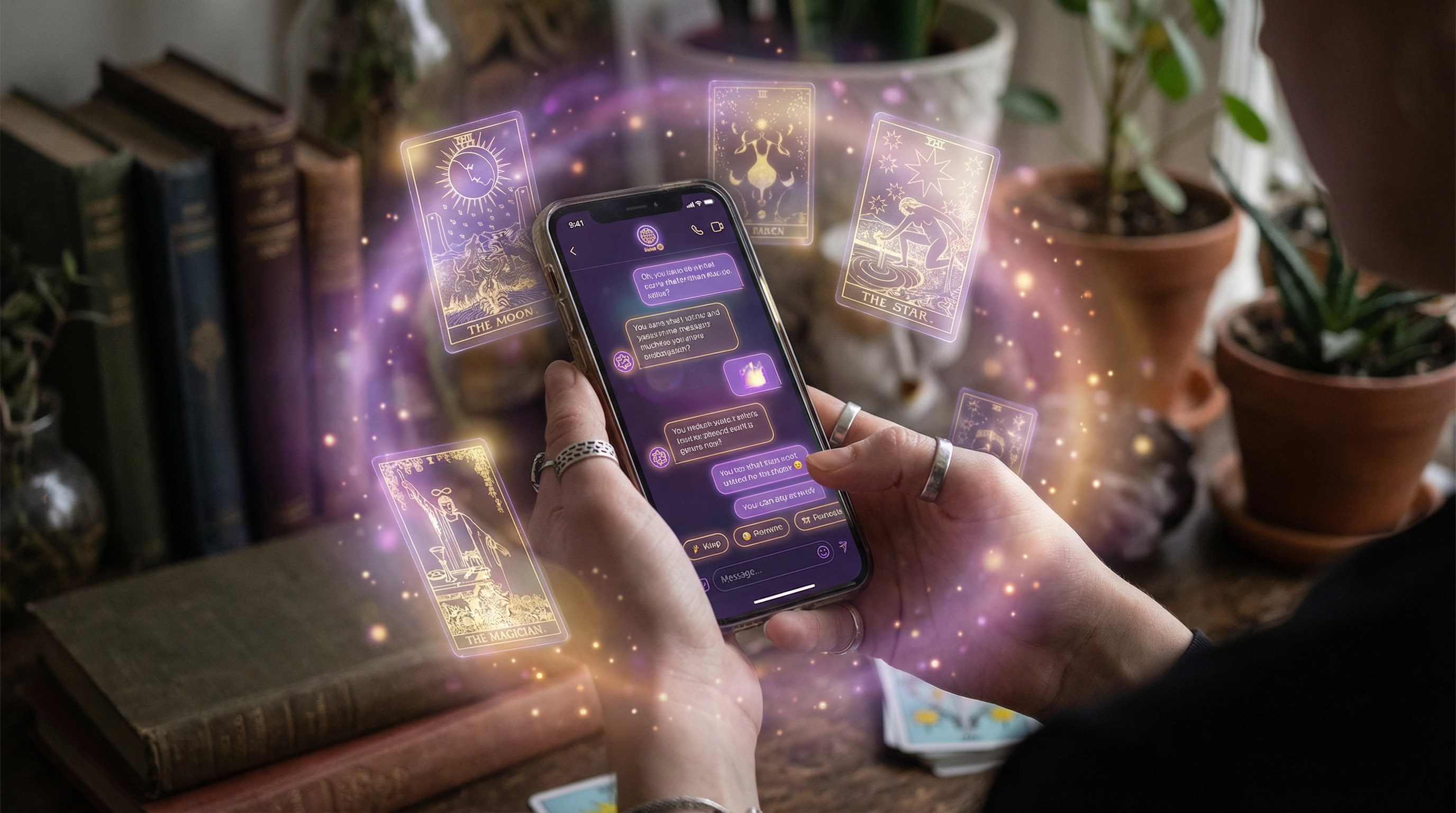
I decided to commit a full month to using Kasamba, not because I needed a specific answer, but because I wanted to understand the ecosystem. I wanted to know if a platform that has been around since the early days of the internet could still hold its own in an era of TikTok tarot readers and AI astrology apps. My approach was simple: try different advisors, different price points, and different modalities, and see what stuck.
The first thing that struck me was the sheer volume of choice. It is overwhelming. You are presented with thousands of faces, ratings, and specialties. It feels less like entering a sacred temple and more like walking into a busy marketplace. This is both a feature and a bug. On one hand, you are almost guaranteed to find someone who matches your specific vibe. On the other hand, the paradox of choice is real, and I spent more time scrolling through profiles than I did actually talking to anyone in the first week.
My first reading was a disaster. I chose a lower-priced advisor with decent reviews, hoping to find a hidden gem. The connection was slow, the typos were frequent, and the advice felt like it was copy-pasted from a fortune cookie. I left the chat feeling lighter in the wallet but heavier in spirit. It was a stark reminder that in this industry, as in many others, you often get what you pay for. But it also highlighted a flaw in the rating system—inflation. When everyone is 5 stars, no one is.
However, the experience shifted dramatically when I decided to invest in a "Top Rated" advisor. The difference was palpable from the first message. There was no fishing for information, no vague generalizations. She picked up on the specific tension in my career (which I hadn't mentioned) within minutes. It wasn't magic in the Harry Potter sense; it was a high level of intuitive empathy combined with professional experience. She didn't just predict; she coached. She gave me actionable steps to shift the energy of the situation.
One aspect of the platform that I found surprisingly useful was the chat transcript feature. In the heat of the moment, it's easy to miss details or misinterpret tone. Being able to go back and re-read the conversation a few days later, when my emotions had settled, provided a second layer of value. I noticed patterns in the advice that I had initially glossed over. It turned the reading from a fleeting experience into a study document.
That said, the interface feels dated. It lacks the slick, modern polish of newer apps. The mobile experience can be clunky, and the notification system is sometimes hit-or-miss. If you are someone who needs a beautiful, seamless UI to feel comfortable, this might be a friction point. It feels like a tool that works, but hasn't been updated since 2015.
Ultimately, my month on the platform taught me that the platform is just a container. The real variable is the human on the other end. You have to be willing to kiss a few frogs (or in this case, chat with a few duds) to find your prince. But when you do find a connection that clicks, the value transcends the per-minute rate. It becomes a resource you can lean on when your own internal compass is spinning.
For those curious about how these interactions compare to other digital spiritual practices, the direct human element remains the key differentiator.